Jeffrey Williams
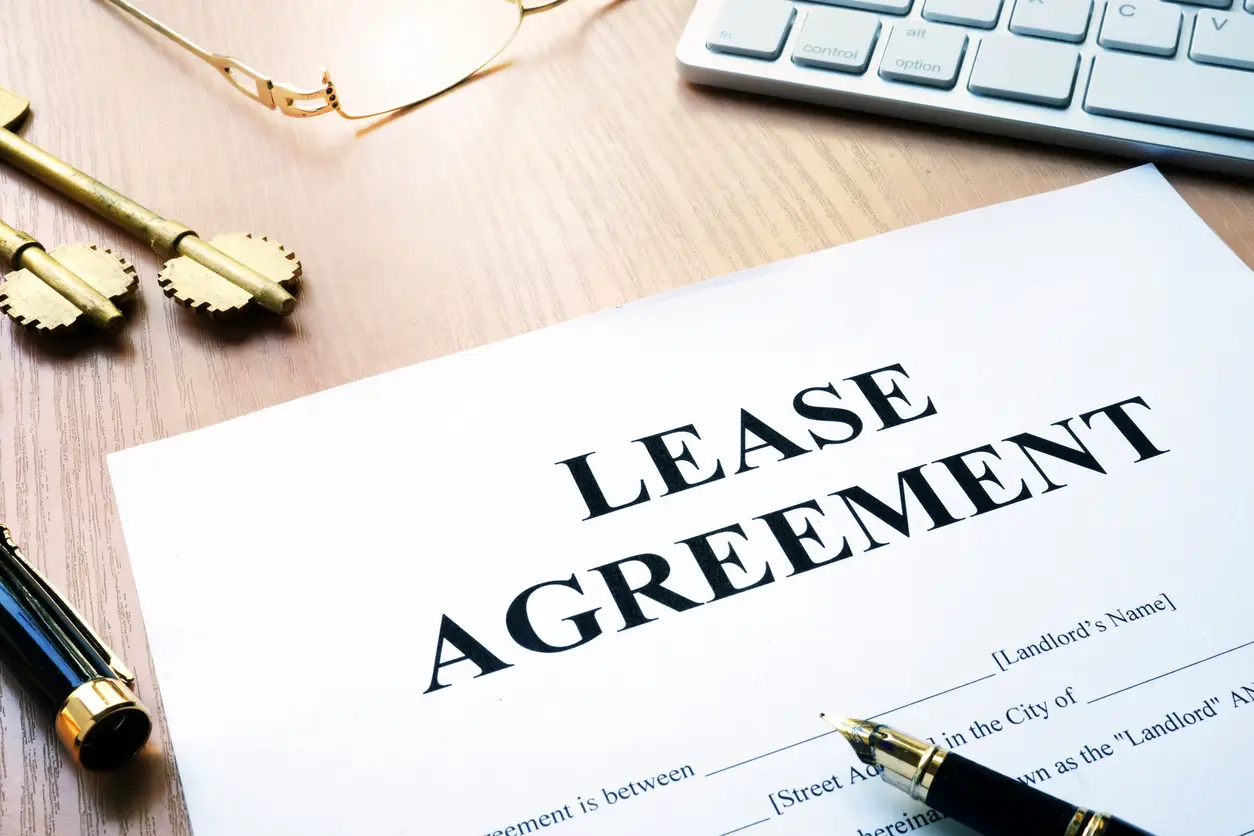
Renting a home can be exciting, but it also comes with important responsibilities for both landlords and tenants. Before signing any rental contract, it is important to understand the terms written in the document. Using a lease agreement template can help both parties create a clear and organized agreement that explains rules, payments, and responsibilities. A well-written lease agreement starts with a trusted lease agreement template and this helps avoid misunderstandings and protects the rights of everyone involved. Whether you are renting an apartment for the first time or managing several rental properties, learning the basics of lease agreements can make the rental process smoother and less stressful.
What Is a Lease Agreement?
A lease agreement is a legal contract between a landlord and a tenant. It explains the conditions for renting a property, including how long the tenant can stay, how much rent must be paid, and what rules must be followed during the rental period. Unlike short-term rental arrangements, lease agreements usually cover longer periods, such as six months or one year.
This document protects both the landlord and the tenant. It gives landlords clear rules for managing their property while also giving tenants security and a better understanding of their rights. A lease agreement can cover apartments, houses, condominiums, and even commercial spaces.
Important Parts of a Lease Agreement
Every lease agreement should include clear and complete information. One of the most important sections is the identification of the landlord and tenant. Their names and contact details should be listed correctly to avoid future problems.
The agreement should also explain the monthly rent amount, due dates, accepted payment methods, and penalties for late payments. Other important details include the security deposit amount, rules about pets, visitor policies, maintenance duties, and conditions for ending the lease early.
Many lease agreements also include rules about noise, parking, shared spaces, and property damage. These details help create a better relationship between landlords and tenants by setting expectations from the beginning.
Why Lease Agreements Matter
A clear lease agreement helps prevent confusion and disagreements. Many legal disputes happen because one party misunderstood the rules or because some conditions were never explained properly. For example, conflicts may happen over repair responsibilities, subleasing rules, or renewal conditions.
When everything is written clearly, both landlords and tenants know what is expected of them. This helps build trust and creates a more peaceful rental experience. Reading the agreement carefully before signing is always important because it helps both sides avoid future problems.
Creating and Customizing a Lease Agreement
Every rental property is different, which is why many landlords use a lease agreement template as a starting point and then customize it to fit their needs. Templates help save time while making sure important sections are included in the contract.
Landlords should think about the type of property they are renting out. Apartment rentals may require rules about shared areas, laundry rooms, or parking spaces. House rentals may need additional details about yard care, trash collection, or homeowner association rules.
Using Online Templates and Digital Tools
Today, many websites offer easy-to-use lease agreement templates that landlords can edit online. These templates help organize rental terms while keeping the document simple and professional. Online tools also allow landlords to add custom rules based on the property and local laws.
Digital signing platforms have also made the rental process faster and more convenient. Electronic signatures allow both landlords and tenants to sign documents securely without printing paper copies. This is especially helpful for long-distance rentals or busy schedules.
Understanding State and Local Laws
Lease agreements must follow local, state, and federal housing laws. Different states may have different rules about rent increases, security deposit limits, tenant privacy, and required disclosures. For example, some areas have rent control laws that limit how much landlords can increase rent each year.
Landlords should also check city-specific housing rules because some local governments have additional tenant protection policies. Understanding these laws helps both parties stay compliant and avoid legal problems later on.
Negotiating Lease Terms
Lease agreements are not always final from the beginning. Tenants and landlords can discuss certain conditions before signing the contract. For example, tenants may request repairs, changes in payment schedules, or permission for pets. Landlords may also ask tenants to follow additional property rules.
Good communication during negotiations helps both sides feel comfortable with the agreement. Being respectful and open to compromise often leads to a better landlord-tenant relationship.
The Importance of Legal Review
Before signing any lease agreement, it is a good idea to review the document carefully. If the agreement contains complicated terms or special conditions, seeking advice from a legal professional may help. A legal review can ensure the agreement follows housing laws and fairly protects both parties.
Taking the time to understand the contract before signing can prevent future stress and misunderstandings. A strong lease agreement creates a solid foundation for a successful rental experience.
Final Thoughts
Lease agreements play a major role in the rental process. They help landlords protect their property while giving tenants clear information about their rights and responsibilities. From payment terms to maintenance duties, every detail written in the contract matters.
Using a well-prepared lease agreement template can make creating a rental contract easier and more organized. When both landlords and tenants fully understand the agreement, they can avoid unnecessary conflicts and enjoy a more positive rental relationship.